Importance of Early Cavity Detection

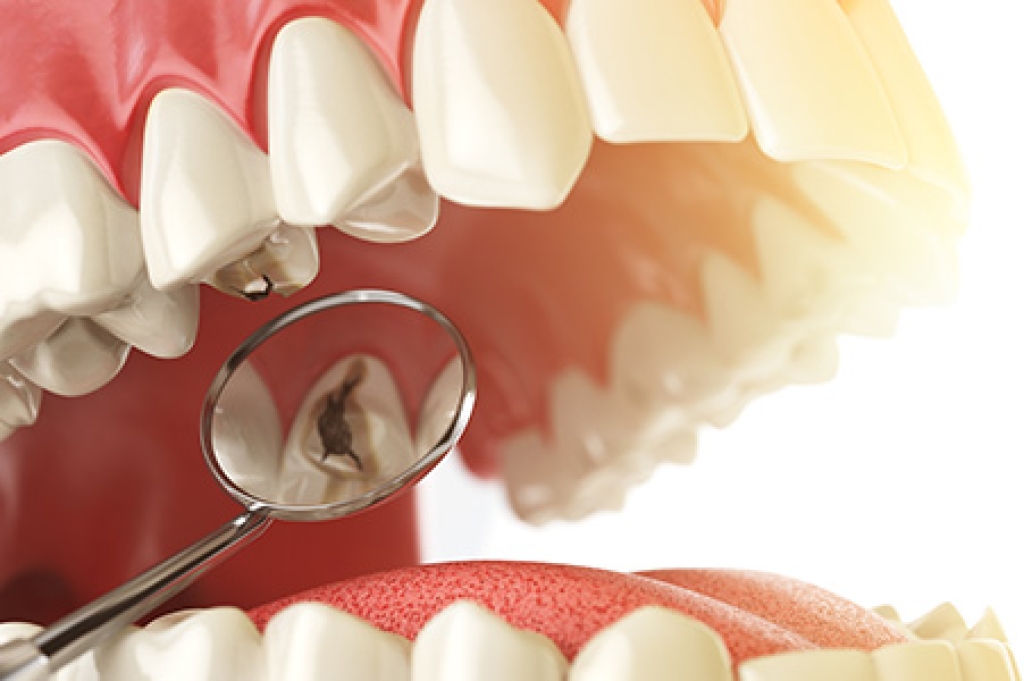
Regular dental visits are important for the early detection of cavities, which are a common dental issue caused by tooth decay. Cavities occur when bacteria in the mouth produce acids that erode the enamel, the hard outer layer of the teeth. This process is often accelerated by poor oral hygiene, a diet high in sugars, and acidic beverages. During routine dental check-ups, dentists use tools like X-rays and visual examinations to detect cavities at their earliest stages. Early detection is vital because untreated cavities can lead to more severe complications such as toothaches, infections, and even tooth loss. Additionally, advanced cavities may require more invasive treatments like root canals or extractions. By identifying cavities early, dentists can perform simpler, less invasive treatments, such as fillings, to restore tooth health and function. To maintain optimal oral health and prevent serious dental issues, it is suggested that you schedule regular dental check-ups.

For more information about the importance of fillings and cavity repairs, contact . Our offers professional and compassionate care to ensure your dental health is maintained at the highest standard.
When needed, fillings and cavity repair are essential dental procedures aimed at restoring teeth damaged by decay. When bacteria in the mouth produce acids that erode the enamel, cavities form. If left untreated, cavities can progress, causing pain, infection, and even tooth loss. Fillings are a common treatment used to repair cavities and prevent further decay.

During a filling procedure, the dentist first removes the decayed portion of the tooth using specialized tools. The affected area is then thoroughly cleaned to remove any remaining debris and bacteria. Once cleaned, the dentist fills the cavity with a suitable filling material, such as composite resin, amalgam, or porcelain. The filling is shaped and polished to match the natural contours of the tooth, restoring its function and appearance.

How Does One Know They Have a Cavity?

Cavities often present symptoms such as tooth sensitivity to hot, cold, or sweet foods, toothache, visible holes, or pits in the teeth, and staining or discoloration. Additionally, individuals may experience pain when biting down or notice a rough or jagged feeling on the tooth surface. Regular dental check-ups with a dentist can also help detect cavities through visual inspection and X-rays, even in the absence of noticeable symptoms.

How Long Does a Filling Last?

The longevity of a filling depends on various factors, including the type of filling material used, the location and size of the cavity, oral hygiene practices, and individual habits such as teeth grinding. On average, fillings can last anywhere from 5 to 15 years or more with proper care. Regular dental check-ups can help monitor the condition of fillings and address any issues early to prolong their lifespan.

Do fillings affect the appearance of teeth?

Fillings can affect the appearance of teeth, particularly when visible in front teeth. However, modern tooth-colored filling materials such as composite resin can be matched closely to the natural tooth color, resulting in a more aesthetic outcome. Dentists carefully select and shade-match these fillings to blend seamlessly with the surrounding teeth, minimizing any noticeable difference in appearance.

If you have any questions, please feel free to contact our office located in South Miami, FL


Read more about Fillings and Cavity Repair

Teeth Whitening

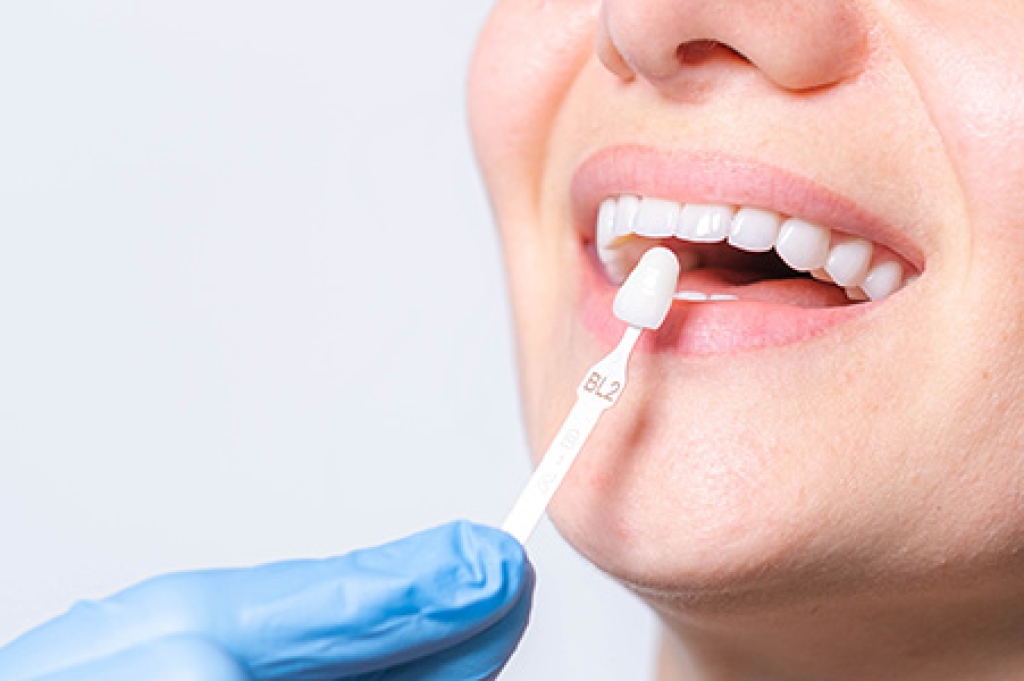
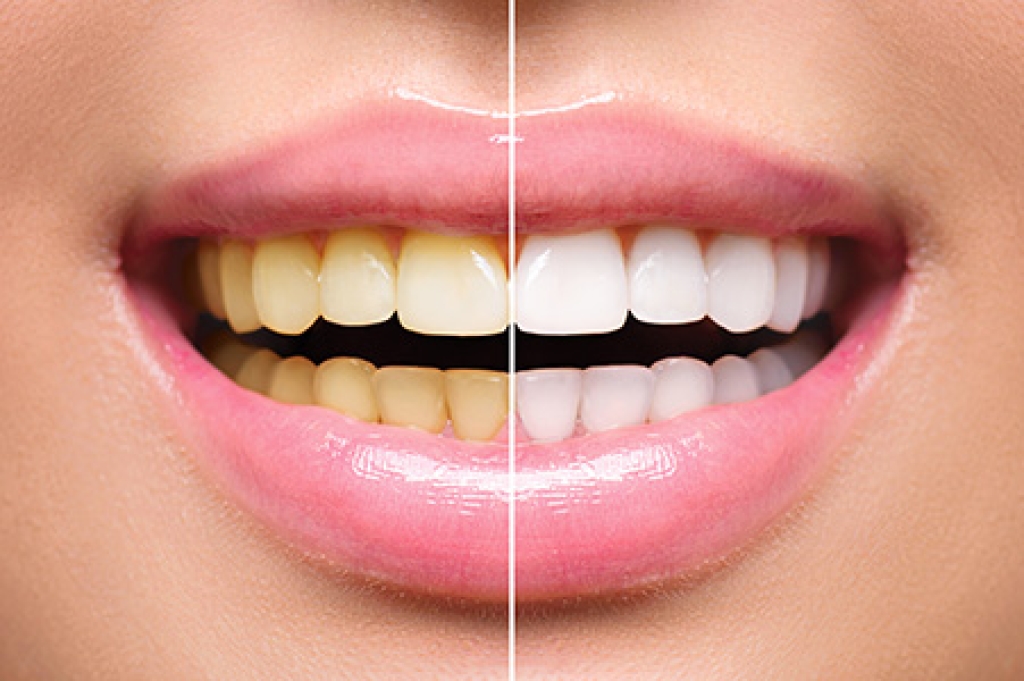
Teeth whitening at a dentist’s office involves professional procedures to lighten the color of teeth and remove stains. This cosmetic treatment typically uses a stronger bleaching agent than over-the-counter products, ensuring more effective and longer-lasting results. During the procedure, a protective gel or rubber shield is applied to the gums to safeguard them, followed by the application of a bleaching agent to the teeth. Sometimes, a special light or laser is used to enhance the whitening process. Patients can expect noticeable results after one session, though multiple visits may be required for optimal whiteness. The procedure is generally safe when performed by a qualified dentist, with temporary side effects like tooth sensitivity or gum irritation being possible. Teeth whitening is effective for removing common stains caused by coffee, tea, tobacco, or aging. However, it may not work on all discolorations, such as those caused by medications or tooth injuries. If you are interested in professional tooth whitening, it is suggested that you make an appointment with a dentist to discuss this procedure.

For more information about the importance of teeth cleaning and exams, contact . Our offers expert services in these areas to ensure your oral health is well taken care of.
Dental hygiene is an integral aspect of overall health, with teeth cleaning and exams forming the cornerstone of preventive care. Dentists play a crucial role in ensuring optimal oral health through these practices. Teeth cleaning, also known as prophylaxis, involves the removal of plaque, tartar, and stains from the teeth. This process helps prevent gum disease, cavities, and other oral health issues. Regular exams complement cleaning by allowing dentists to assess oral health, identify any issues early on, and provide necessary treatment.

Dentists possess the expertise to conduct thorough examinations, including visual inspections, X-rays, and other diagnostic procedures. These exams enable them to detect cavities, gum disease, oral cancer, and other abnormalities that may not be apparent to the patient. Early detection is key in preventing the progression of dental problems and avoiding more extensive treatments.

Regular dental visits are essential for maintaining oral health and promptly addressing concerns. Dentists recommend biannual check-ups and cleanings for most individuals, although frequency may vary based on individual needs and risk factors. These routine appointments allow dentists to monitor oral health over time, track any changes or developments, and intervene as needed to preserve dental function and aesthetics.

Why Are Teeth Cleaning and Exams Needed?

Regular teeth cleanings and exams are necessary for maintaining oral health and preventing dental issues from escalating.

When is Teeth Cleaning and an Exam Necessary?

Teeth cleanings and exams are necessary for everyone. They are typically recommended every six months. However, frequency may vary based on individual oral health needs, medical history, and risk factors for dental issues.

If you have any questions, please feel free to contact our office located in South Miami, FL


Read more about Teeth Cleaning and Exams

Choosing the Right Material for Precision Tooth Repair

Composite and ceramic inlays and onlays are both effective options for restoring teeth with moderate damage, but they differ in performance and longevity. Composite restorations are made from tooth-colored resin and are often completed more quickly. They bond well to tooth structure and can be a cost-effective choice, especially for smaller repairs. Ceramic inlays and onlays are fabricated from high-strength porcelain and are known for superior durability, stain resistance, and long-term stability. They closely mimic natural enamel and typically hold their shape and color longer under chewing forces. The best option depends on tooth location, bite pressure, cosmetic goals, and budget. A dentist evaluates wear patterns, remaining tooth structure, and overall oral health before making a recommendation. It is suggested that you see a dentist if you need tooth restoration, and want guidance on the most effective material for your situation.

What to Know About Dental Inlays and Onlays
Dental inlays and onlays are restorations used to repair teeth that have moderate damage or decay but do not require a full crown. They offer a conservative alternative that preserves more of the natural tooth structure while restoring strength, function, and appearance. Inlays fit within the grooves of a tooth, while onlays extend over one or more cusps.
These restorations are custom made from durable materials such as porcelain or composite resin and are bonded securely to the tooth. They are often used when a filling would not provide enough support or when part of the tooth’s structure is compromised. Because they are fabricated to match the tooth precisely, they create a smooth, natural feel that blends well with surrounding teeth.
The process typically involves two visits. During the first, the dentist removes the damaged area and takes an impression. A temporary filling may be placed while the inlay or onlay is created in a dental lab. At the second visit, the custom restoration is bonded in place, shaped, and polished for comfort and fit.
Inlays and onlays offer a long-lasting solution that can protect a tooth while maintaining its natural look. They are also less likely to stain and are easy to care for with regular brushing and flossing.
If you have a damaged or weakened tooth and want to explore options beyond fillings or crowns, call us to discuss this further.
How are inlays and onlays different from fillings?
Inlays and onlays are custom-made restorations that offer a stronger and longer-lasting solution than traditional fillings. They are bonded to the tooth and designed to fit precisely.

Do inlays and onlays look natural?
Yes, they are typically made from tooth-colored materials like porcelain or composite resin, allowing them to blend in with the natural tooth structure.
If you have any questions, please feel free to contact our office located in South Miami, FL


Read more about Dental Inlays and Overlays

Cosmetic Dental Procedures That Enhance Your Smile

Cosmetic dental procedures focus on improving the appearance of teeth while often supporting oral function. Teeth whitening helps remove stains caused by aging, food, drinks, or medications, creating a brighter smile. Dental veneers are thin shells placed over the front of teeth to correct discoloration, chips, gaps, or uneven shapes. Dental implants replace missing teeth with a natural-looking, long-lasting solution that also supports jawbone health. Tooth contouring reshapes small imperfections by gently smoothing enamel, while tooth bonding uses a tooth colored material to repair chips, cracks, or minor gaps. Each option addresses different concerns, and treatments may be combined for more complete results. Personal goals, oral health, and budget all play a role in planning care. It is suggested that you see a dentist if you want to improve your smile, correct imperfections, or explore cosmetic treatment options safely.

Cosmetic dentistry is the field of dental care focused on improving the appearance of teeth and smiles. It includes a range of treatments designed to address common concerns such as discoloration, chipped or misshapen teeth, gaps, and alignment issues. While general dentistry is primarily concerned with oral health, cosmetic procedures aim to enhance aesthetics while often improving function as well.
Treatments in cosmetic dentistry vary based on each person's goals and dental condition. Common options include professional teeth whitening, which helps remove surface stains and brighten the smile. Dental bonding and veneers can reshape or repair teeth for a more uniform look. For those with crooked or crowded teeth, clear aligner therapy offers a discreet way to improve alignment without traditional metal braces. Tooth-colored fillings, gum contouring, and dental crowns also fall under cosmetic care when used to improve visual appearance.
People choose cosmetic dentistry for many reasons. Some want to feel more confident in social or professional situations. Others may be correcting the effects of aging, injury, or past dental issues. It is suitable for adults of various ages, provided their teeth and gums are healthy enough for elective procedures. Many cosmetic treatments are minimally invasive and can be completed in just one or two visits, depending on the procedure.
If you have concerns about the way your teeth look or feel self-conscious about your smile, it is suggested you schedule a consultation with a dentist to explore available options and discuss what treatments may be right for you.
Is cosmetic dentistry painful?
Most cosmetic procedures are minimally invasive and cause little to no discomfort. Many treatments can be done with local anesthetic or require no numbing at all.

How long do the results of cosmetic dentistry last?
Results vary by procedure, but with proper care, treatments like veneers, bonding, and whitening can last several years or longer. Regular dental visits and good oral hygiene help extend their longevity.
If you have any questions, please feel free to contact our office located in South Miami, FL
 

Read more about Cosmetic Dentistry

Types of Dental Fillings

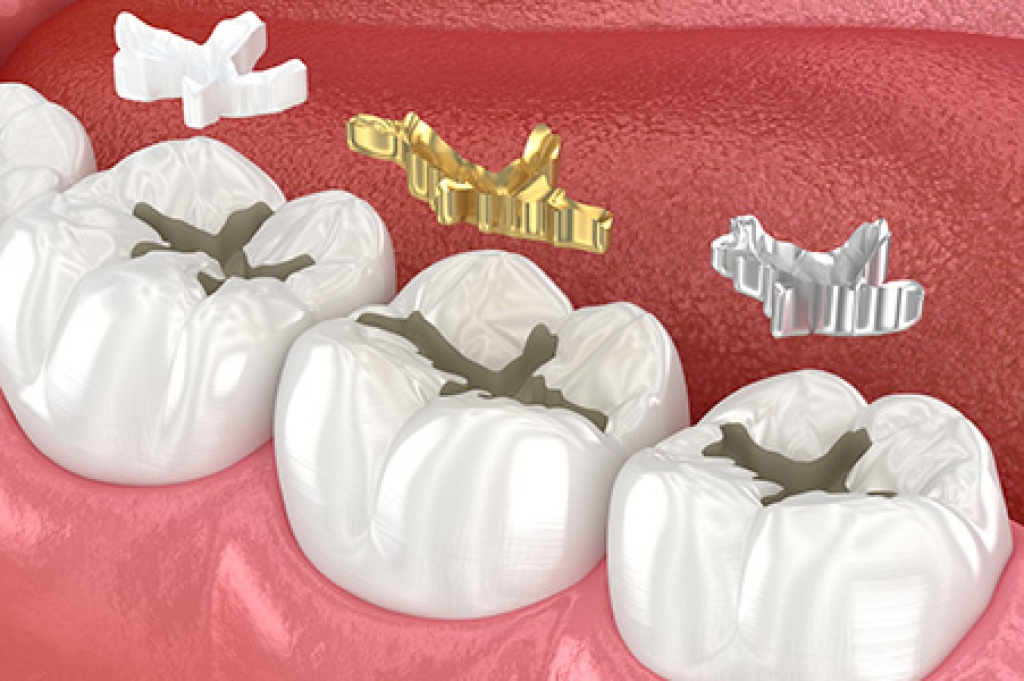
A dental filling is a treatment used to restore the function and integrity of a tooth damaged by decay. When a cavity forms, the decayed portion of the tooth must be removed and replaced with a filling to prevent further damage and restore the tooth's normal shape and function. Fillings are necessary to prevent the progression of decay, which can lead to more serious dental issues such as infections, abscesses, and tooth loss if left untreated. The choice of filling material depends on several factors, including the location of the cavity, the extent of the decay, the patient's aesthetic preferences, and cost considerations. Common materials include amalgam, composite resin, ceramic, gold, and glass ionomer, each with its own advantages and disadvantages. It is suggested that you have regular visits to the dentist for the early detection of cavities and the timely application of fillings to maintain oral health.

For more information about the importance of fillings and cavity repairs, contact . Our offers professional and compassionate care to ensure your dental health is maintained at the highest standard.
When needed, fillings and cavity repair are essential dental procedures aimed at restoring teeth damaged by decay. When bacteria in the mouth produce acids that erode the enamel, cavities form. If left untreated, cavities can progress, causing pain, infection, and even tooth loss. Fillings are a common treatment used to repair cavities and prevent further decay.

During a filling procedure, the dentist first removes the decayed portion of the tooth using specialized tools. The affected area is then thoroughly cleaned to remove any remaining debris and bacteria. Once cleaned, the dentist fills the cavity with a suitable filling material, such as composite resin, amalgam, or porcelain. The filling is shaped and polished to match the natural contours of the tooth, restoring its function and appearance.

How Does One Know They Have a Cavity?

Cavities often present symptoms such as tooth sensitivity to hot, cold, or sweet foods, toothache, visible holes, or pits in the teeth, and staining or discoloration. Additionally, individuals may experience pain when biting down or notice a rough or jagged feeling on the tooth surface. Regular dental check-ups with a dentist can also help detect cavities through visual inspection and X-rays, even in the absence of noticeable symptoms.

How Long Does a Filling Last?

The longevity of a filling depends on various factors, including the type of filling material used, the location and size of the cavity, oral hygiene practices, and individual habits such as teeth grinding. On average, fillings can last anywhere from 5 to 15 years or more with proper care. Regular dental check-ups can help monitor the condition of fillings and address any issues early to prolong their lifespan.

Do fillings affect the appearance of teeth?

Fillings can affect the appearance of teeth, particularly when visible in front teeth. However, modern tooth-colored filling materials such as composite resin can be matched closely to the natural tooth color, resulting in a more aesthetic outcome. Dentists carefully select and shade-match these fillings to blend seamlessly with the surrounding teeth, minimizing any noticeable difference in appearance.

If you have any questions, please feel free to contact our office located in South Miami, FL


Read more about Fillings and Cavity Repair
scroll to top