Seeing a Dentist for Preventive Care

Preventive dentistry is the practice of caring for your teeth to keep them healthy and prevent cavities, gum disease, and other dental issues. It involves a combination of regular dental check-ups, cleanings, and good oral hygiene practices like brushing and flossing daily. Preventive care aims to maintain a healthy mouth and avoid the need for more extensive and costly treatments in the future. Everyone can benefit from preventive dentistry, from young children to older adults. It is particularly important for children, as it helps in the early detection and treatment of dental issues, ensuring their permanent teeth come in properly. Adults also benefit by avoiding tooth decay, gum disease, and tooth loss, which can affect their overall health. Preventive care involves routine dental exams, professional cleanings, fluoride treatments, dental sealants, and patient education on proper brushing and flossing techniques. Your dentist might also recommend lifestyle changes, such as a balanced diet and quitting smoking, to support oral health. If you would like to take care of your teeth as best as possible, it is suggested that you schedule an appointment with a dentist to learn more about how preventive dentistry can benefit you and your family.

For more information about the importance of teeth cleaning and exams, contact . Our offers expert services in these areas to ensure your oral health is well taken care of.
Dental hygiene is an integral aspect of overall health, with teeth cleaning and exams forming the cornerstone of preventive care. Dentists play a crucial role in ensuring optimal oral health through these practices. Teeth cleaning, also known as prophylaxis, involves the removal of plaque, tartar, and stains from the teeth. This process helps prevent gum disease, cavities, and other oral health issues. Regular exams complement cleaning by allowing dentists to assess oral health, identify any issues early on, and provide necessary treatment.

Dentists possess the expertise to conduct thorough examinations, including visual inspections, X-rays, and other diagnostic procedures. These exams enable them to detect cavities, gum disease, oral cancer, and other abnormalities that may not be apparent to the patient. Early detection is key in preventing the progression of dental problems and avoiding more extensive treatments.

Regular dental visits are essential for maintaining oral health and promptly addressing concerns. Dentists recommend biannual check-ups and cleanings for most individuals, although frequency may vary based on individual needs and risk factors. These routine appointments allow dentists to monitor oral health over time, track any changes or developments, and intervene as needed to preserve dental function and aesthetics.

Why Are Teeth Cleaning and Exams Needed?

Regular teeth cleanings and exams are necessary for maintaining oral health and preventing dental issues from escalating.

When is Teeth Cleaning and an Exam Necessary?

Teeth cleanings and exams are necessary for everyone. They are typically recommended every six months. However, frequency may vary based on individual oral health needs, medical history, and risk factors for dental issues.

If you have any questions, please feel free to contact our office located in South Miami, FL


Read more about Teeth Cleaning and Exams

Tooth Sensitivity After Filling

Tooth sensitivity after a filling is a common concern and can occur for various reasons. During the filling process, the manipulation of the tooth's structure and the materials used can irritate the nerve, leading to temporary sensitivity. This discomfort might feel like a sharp pain or a dull ache, particularly when exposed to hot, cold, or sweet stimuli. The sensation typically subsides as the tooth adjusts to the new filling, but it can persist if the filling is too high and affects your bite. Preventing this sensitivity involves the dentist using proper techniques during the filling process, such as gentle handling and choosing suitable materials that minimize irritation. If the tooth is severely decayed, a liner might be placed under the filling to protect the nerve. If you experience prolonged or severe sensitivity after a filling, it is suggested that you contact a dentist to assess whether adjustments to the filling or further treatment are necessary.

For more information about the importance of fillings and cavity repairs, contact . Our offers professional and compassionate care to ensure your dental health is maintained at the highest standard.
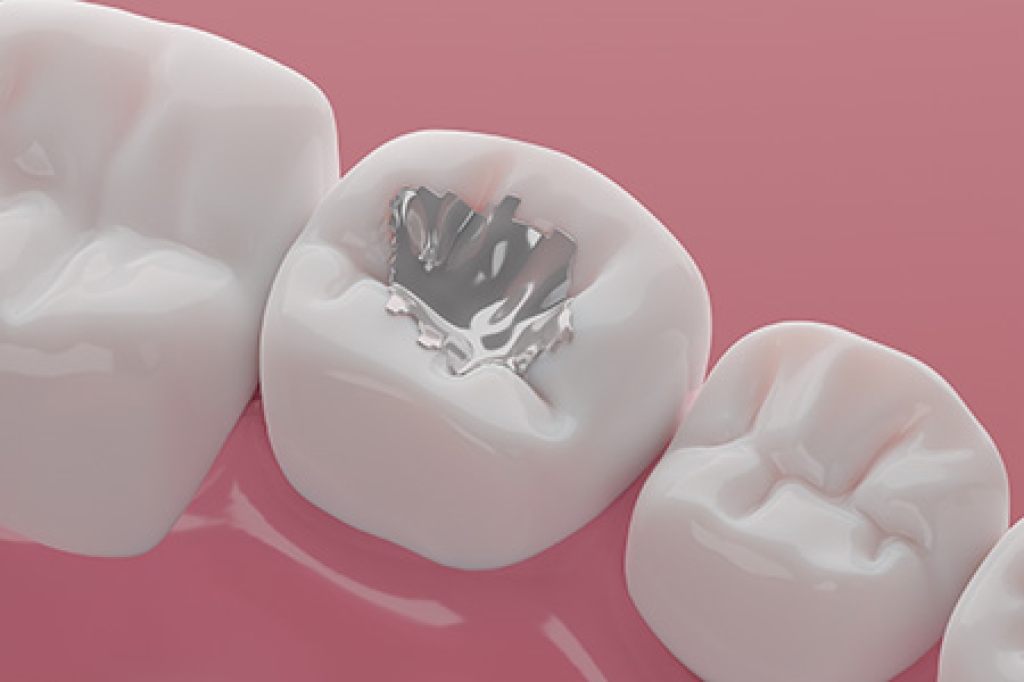
When needed, fillings and cavity repair are essential dental procedures aimed at restoring teeth damaged by decay. When bacteria in the mouth produce acids that erode the enamel, cavities form. If left untreated, cavities can progress, causing pain, infection, and even tooth loss. Fillings are a common treatment used to repair cavities and prevent further decay.

During a filling procedure, the dentist first removes the decayed portion of the tooth using specialized tools. The affected area is then thoroughly cleaned to remove any remaining debris and bacteria. Once cleaned, the dentist fills the cavity with a suitable filling material, such as composite resin, amalgam, or porcelain. The filling is shaped and polished to match the natural contours of the tooth, restoring its function and appearance.

How Does One Know They Have a Cavity?

Cavities often present symptoms such as tooth sensitivity to hot, cold, or sweet foods, toothache, visible holes, or pits in the teeth, and staining or discoloration. Additionally, individuals may experience pain when biting down or notice a rough or jagged feeling on the tooth surface. Regular dental check-ups with a dentist can also help detect cavities through visual inspection and X-rays, even in the absence of noticeable symptoms.

How Long Does a Filling Last?

The longevity of a filling depends on various factors, including the type of filling material used, the location and size of the cavity, oral hygiene practices, and individual habits such as teeth grinding. On average, fillings can last anywhere from 5 to 15 years or more with proper care. Regular dental check-ups can help monitor the condition of fillings and address any issues early to prolong their lifespan.

Do fillings affect the appearance of teeth?

Fillings can affect the appearance of teeth, particularly when visible in front teeth. However, modern tooth-colored filling materials such as composite resin can be matched closely to the natural tooth color, resulting in a more aesthetic outcome. Dentists carefully select and shade-match these fillings to blend seamlessly with the surrounding teeth, minimizing any noticeable difference in appearance.

If you have any questions, please feel free to contact our office located in South Miami, FL


Read more about Fillings and Cavity Repair
scroll to top