From Metal Braces to Invisible Orthodontics

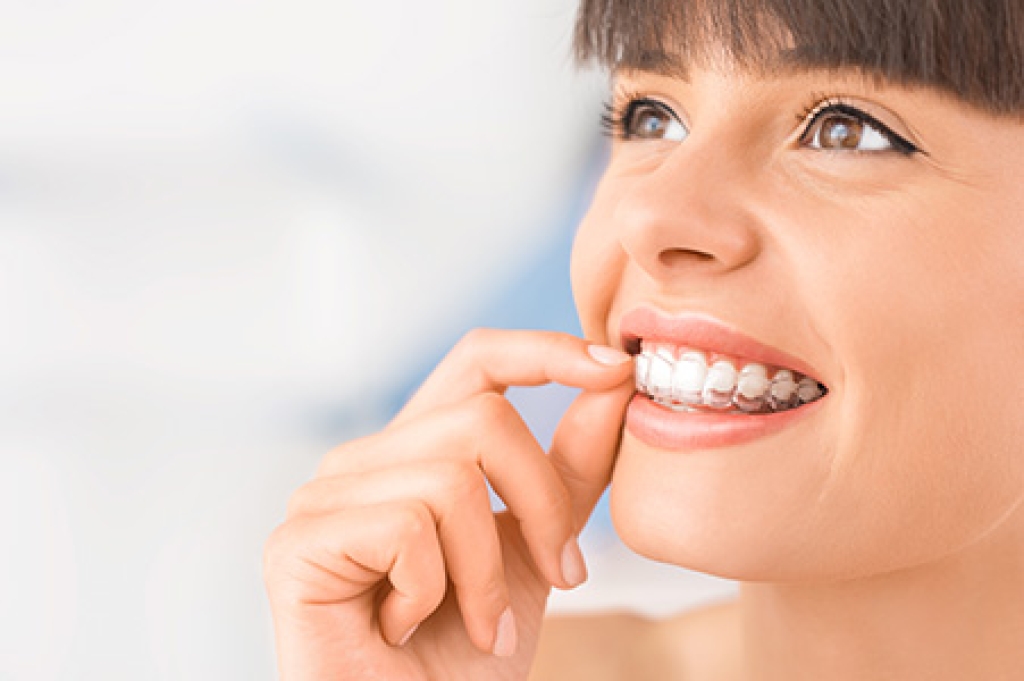
Orthodontics has come a long way since the days of bulky metal braces. What once required wires, brackets, and noticeable hardware can now be achieved with smooth, transparent trays. Invisible orthodontics has become a preferred option for patients who want straighter teeth without drawing attention to their treatment. Traditional metal braces were once the only way to correct misaligned teeth. They were effective but often uncomfortable and required frequent adjustments. As technology advanced, ceramic braces and lingual braces offered slightly less visible options, but the real breakthrough came with clear aligners. Using 3D imaging and computer-guided treatment plans, dentists can now design aligners that fit precisely and shift teeth gradually. These clear trays are worn daily and replaced every few weeks as teeth move into alignment. If you are interested in a more comfortable and subtle orthodontic experience, it is suggested you speak with a dentist about invisible options.

For more information about Invisalign and other dental treatments, contact . Our provides expert and personalized care to help you achieve a healthy and beautiful smile.
Invisalign, a modern dental treatment, has revolutionized the approach to teeth straightening. Unlike traditional braces that utilize metal brackets and wires, Invisalign employs a series of clear, removable aligners custom-made for each patient. These aligners gradually shift teeth into the desired position, offering a more aesthetically pleasing and comfortable alternative. The primary advantages of Invisalign include its nearly invisible appearance, ease of maintenance, and the ability to remove the aligners for eating and oral hygiene, making it a popular choice among adults and teens alike.
Other dental treatments, such as traditional metal braces, lingual braces, and ceramic braces, also play significant roles in dental correction. Traditional metal braces are highly effective for complex dental issues, offering strong, durable correction capabilities. They consist of metal brackets glued to the teeth, connected by wires and elastics to move the teeth into alignment. Despite their visibility, they remain a common and reliable choice due to their efficacy and cost-effectiveness.
Lingual braces, which are attached to the back of the teeth, provide an invisible alternative to traditional braces. They are especially beneficial for patients concerned about the appearance of braces but require the robust correction power of traditional methods. However, they can be more challenging to clean and adjust.
Ceramic braces offer a middle ground, using tooth-colored or clear brackets that blend with the teeth, making them less noticeable than metal braces. They are effective for many orthodontic issues and are a preferred option for those seeking a less conspicuous treatment.
Consulting with a dentist can help determine the most suitable option based on individual requirements and treatment goals.
Are Invisalign aligners comfortable?
Invisalign are generally more comfortable than traditional braces since they are smooth and do not have metal components that can irritate the mouth.
How long does treatment with braces take?
Treatment duration varies but typically lasts between 18 months and three years, depending on the complexity of the case.
Do braces affect speech?
There might be a temporary adjustment period, but most patients quickly adapt and speak normally.

If you have any questions, please feel free to contact our office located in South Miami, FL


Read more about Invisalign and Other Orthodontic Treatments

Understanding Dental Implants and How They Work

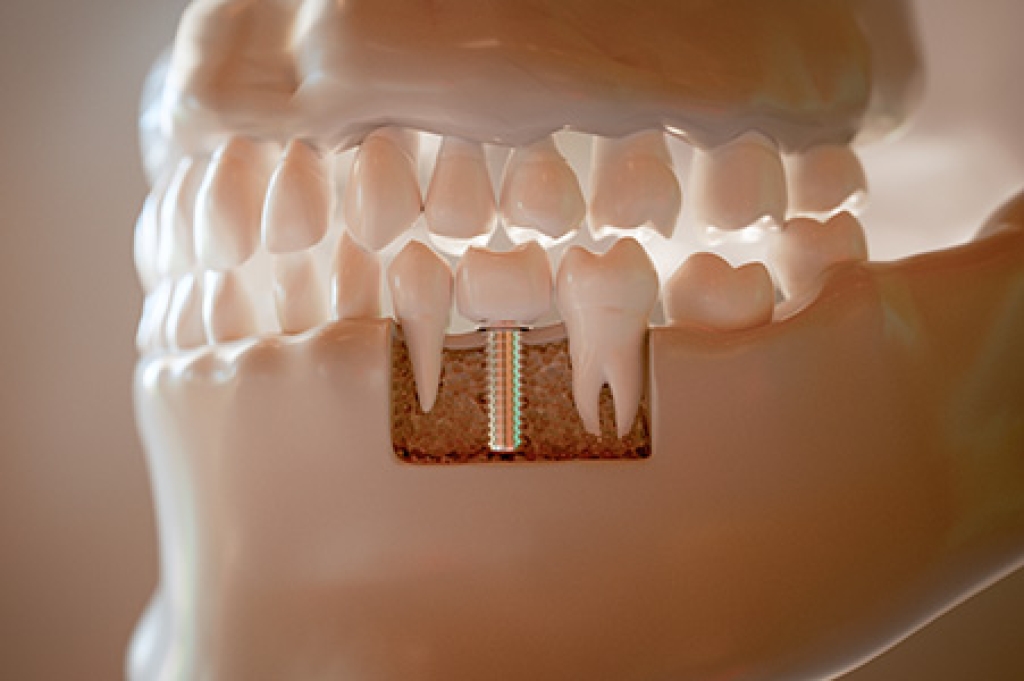
Dental implants offer a long-term solution for missing teeth by replacing both the root and the visible tooth structure. A dental implant is a small titanium post that is surgically placed into the jawbone, where it serves as a stable foundation for a custom crown, bridge, or denture. Over time, the implant fuses with the bone through a natural process known as osseointegration, creating a secure base that mimics the strength and function of a natural tooth. Unlike traditional dentures, implants do not shift or move, allowing for improved speech, chewing, and confidence. Candidates for dental implants typically need healthy gums and sufficient bone density. With proper care, implants can last many years and help maintain the structure of the jawbone, preventing facial sagging caused by bone loss. If you are missing one or more teeth, it is suggested you speak with a dentist to learn if dental implants are right for you.

For more information about dental crowns and bridges, contact . Our provides expert and precise care to restore the function and appearance of your teeth.
Dental crowns and bridges are common restorative dental treatments used to repair damaged or missing teeth, restoring both functionality and aesthetics to the smile. Crowns are tooth-shaped caps that are placed over damaged or weakened teeth to restore their strength, shape, size, and appearance. They can be made from various materials such as porcelain, metal, or a combination of both, depending on the specific needs of the patient.

Bridges are used to replace one or more missing teeth by anchoring artificial teeth to adjacent healthy teeth or dental implants. The adjacent teeth, known as abutments, are capped with crowns to provide support for the bridge. Like crowns, bridges can be made from different materials to match the natural color and contour of the patient's teeth, ensuring a seamless and natural-looking restoration.

Both crowns and bridges offer several benefits, including improved chewing and speaking abilities, enhanced appearance, and the prevention of further dental problems caused by misalignment or missing teeth. Proper oral hygiene, including regular brushing, flossing, and dental check-ups, is essential to maintain the longevity and effectiveness of these restorations.

How Long Do Dental Crowns and Bridges Last?

The lifespan of crowns and bridges varies depending on factors such as the material used, oral hygiene, and chewing habits, but they typically last five to 15 years or longer with proper care.

Are There Alternatives to Dental Crowns and Bridges?

Alternatives to crowns and bridges include dental implants, dentures, or other restorative treatments, depending on individual needs and preferences.

If you have any questions, please feel free to contact our office located in South Miami, FL


Read more about Crowns and Bridges

Teeth Grinding Symptoms

Teeth grinding, or bruxism, refers to the habitual clenching and gnashing of teeth, often unconsciously, during sleep or periods of stress. This repetitive motion can result in a host of dental problems, including enamel wear, tooth fractures, and even jaw disorders like temporomandibular joint, or TMJ dysfunction. Common causes of bruxism include stress, anxiety, misaligned teeth, and sleep disorders like sleep apnea. Symptoms range from dull headaches and facial pain to increased tooth sensitivity and flattened tooth surfaces. Children may also grind their teeth due to stress or developmental issues. Risk factors include age, lifestyle, and genetics. Treatment options vary, including stress management techniques, dental appliances like mouthguards, and addressing underlying sleep disorders. Early intervention is important to prevent long-term damage. If you are grinding your teeth, it is suggested that you make regular appointments with a dentist to ensure appropriate treatment early on.

For more information about the importance of teeth cleaning and exams, contact . Our offers expert services in these areas to ensure your oral health is well taken care of.
Dental hygiene is an integral aspect of overall health, with teeth cleaning and exams forming the cornerstone of preventive care. Dentists play a crucial role in ensuring optimal oral health through these practices. Teeth cleaning, also known as prophylaxis, involves the removal of plaque, tartar, and stains from the teeth. This process helps prevent gum disease, cavities, and other oral health issues. Regular exams complement cleaning by allowing dentists to assess oral health, identify any issues early on, and provide necessary treatment.

Dentists possess the expertise to conduct thorough examinations, including visual inspections, X-rays, and other diagnostic procedures. These exams enable them to detect cavities, gum disease, oral cancer, and other abnormalities that may not be apparent to the patient. Early detection is key in preventing the progression of dental problems and avoiding more extensive treatments.

Regular dental visits are essential for maintaining oral health and promptly addressing concerns. Dentists recommend biannual check-ups and cleanings for most individuals, although frequency may vary based on individual needs and risk factors. These routine appointments allow dentists to monitor oral health over time, track any changes or developments, and intervene as needed to preserve dental function and aesthetics.

Why Are Teeth Cleaning and Exams Needed?

Regular teeth cleanings and exams are necessary for maintaining oral health and preventing dental issues from escalating.

When is Teeth Cleaning and an Exam Necessary?

Teeth cleanings and exams are necessary for everyone. They are typically recommended every six months. However, frequency may vary based on individual oral health needs, medical history, and risk factors for dental issues.

If you have any questions, please feel free to contact our office located in South Miami, FL


Read more about Teeth Cleaning and Exams
scroll to top