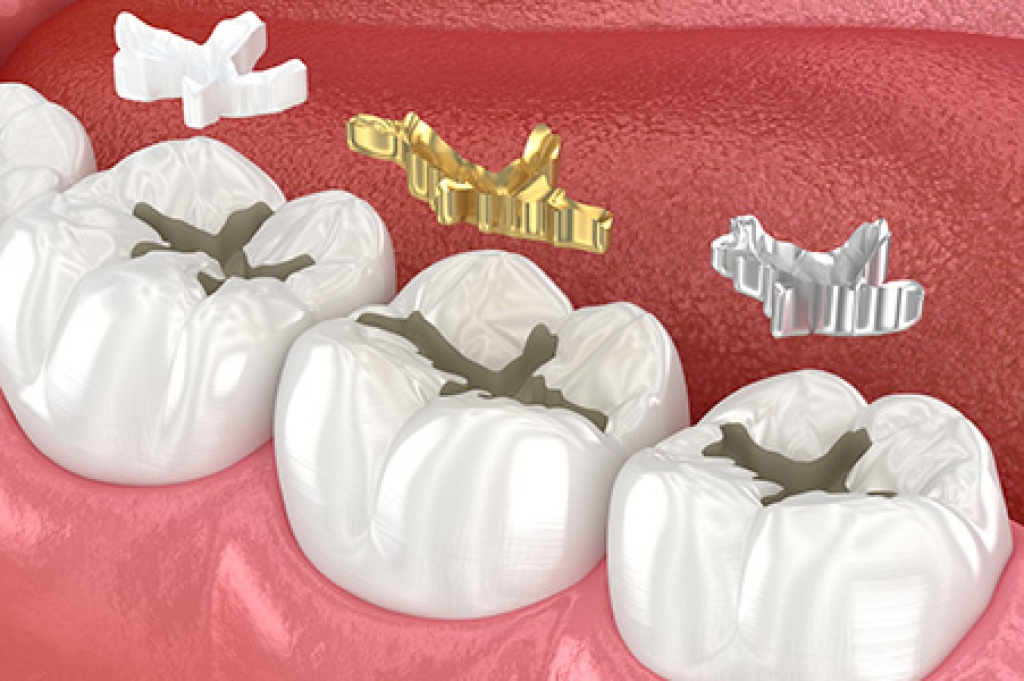
A dental filling is a treatment used to restore the function and integrity of a tooth damaged by decay. When a cavity forms, the decayed portion of the tooth must be removed and replaced with a filling to prevent further damage and restore the tooth's normal shape and function. Fillings are necessary to prevent the progression of decay, which can lead to more serious dental issues such as infections, abscesses, and tooth loss if left untreated. The choice of filling material depends on several factors, including the location of the cavity, the extent of the decay, the patient's aesthetic preferences, and cost considerations. Common materials include amalgam, composite resin, ceramic, gold, and glass ionomer, each with its own advantages and disadvantages. It is suggested that you have regular visits to the dentist for the early detection of cavities and the timely application of fillings to maintain oral health.
For more information about the importance of fillings and cavity repairs, contact . Our offers professional and compassionate care to ensure your dental health is maintained at the highest standard.
When needed, fillings and cavity repair are essential dental procedures aimed at restoring teeth damaged by decay. When bacteria in the mouth produce acids that erode the enamel, cavities form. If left untreated, cavities can progress, causing pain, infection, and even tooth loss. Fillings are a common treatment used to repair cavities and prevent further decay.
During a filling procedure, the dentist first removes the decayed portion of the tooth using specialized tools. The affected area is then thoroughly cleaned to remove any remaining debris and bacteria. Once cleaned, the dentist fills the cavity with a suitable filling material, such as composite resin, amalgam, or porcelain. The filling is shaped and polished to match the natural contours of the tooth, restoring its function and appearance.
How Does One Know They Have a Cavity?
Cavities often present symptoms such as tooth sensitivity to hot, cold, or sweet foods, toothache, visible holes, or pits in the teeth, and staining or discoloration. Additionally, individuals may experience pain when biting down or notice a rough or jagged feeling on the tooth surface. Regular dental check-ups with a dentist can also help detect cavities through visual inspection and X-rays, even in the absence of noticeable symptoms.
How Long Does a Filling Last?
The longevity of a filling depends on various factors, including the type of filling material used, the location and size of the cavity, oral hygiene practices, and individual habits such as teeth grinding. On average, fillings can last anywhere from 5 to 15 years or more with proper care. Regular dental check-ups can help monitor the condition of fillings and address any issues early to prolong their lifespan.
Do fillings affect the appearance of teeth?
Fillings can affect the appearance of teeth, particularly when visible in front teeth. However, modern tooth-colored filling materials such as composite resin can be matched closely to the natural tooth color, resulting in a more aesthetic outcome. Dentists carefully select and shade-match these fillings to blend seamlessly with the surrounding teeth, minimizing any noticeable difference in appearance.
If you have any questions, please feel free to contact our office located in South Miami, FL .


