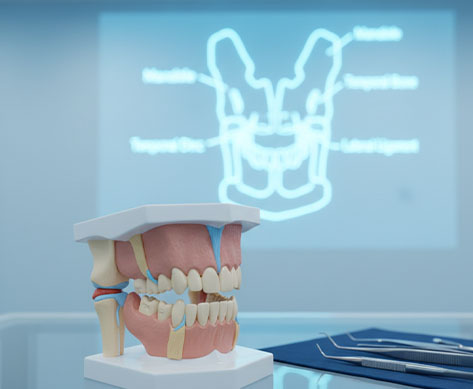
TMJ disorders include conditions that cause jaw joint and muscle dysfunction, leading to pain during eating and speaking. The temporomandibular, or TMJ, joint connects the jawbone to the skull, enabling essential movements for chewing and talking. Contributing factors include jaw injury, arthritis, genetics, and teeth grinding, termed bruxism. They can result in symptoms such as jaw pain, difficulty chewing, and clicking or popping noises when opening or closing the mouth.
Treatment strategies vary based on severity and causes. Initial methods prioritize pain relief and restoring jaw function through conservative measures. Self-care focuses on dietary adjustments to ease jaw strain, avoiding extreme movements, and employing stress-reduction techniques to alleviate muscle tension.
Effective pain management includes over-the-counter pain relievers to reduce inflammation and discomfort. Physical therapy involves exercises to strengthen jaw muscles, improve flexibility, and alleviate pain. Additional therapies such as ultrasound, moist heat, and ice packs help manage symptoms.
For bruxism-related TMJ disorders, wearing a dental splint or mouthguard at night prevents teeth grinding and reduces joint pressure. Advanced treatments like corticosteroid injections and Botox are used for inflammation and muscle tension. Surgical options, including arthrocentesis, arthroscopy, or open joint surgery, are considered in severe cases when conservative treatments fail.
In addition to medical interventions, stress management techniques and maintaining good posture are vital for alleviating TMJ symptoms. Practices such as mindfulness, yoga, and relaxation exercises help reduce tension and improve jaw function, contributing to overall relief and better quality of life. TMJ disorders can cause significant discomfort, but a range of effective treatments is available to manage symptoms.


