Sleep apnea is a serious disorder where breathing repeatedly stops and starts during sleep. It can lead to health issues, such as heart disease, diabetes, and cognitive problems. Treatment varies from lifestyle changes to medical interventions.
Lifestyle changes are often the first step for mild sleep apnea. Weight loss is highly recommended since excess weight can narrow the airway. Regular exercise helps maintain a healthy weight and improves sleep quality. Avoiding alcohol, smoking, and sedatives is important because these substances can relax throat muscles, worsening symptoms. Sleeping on the side instead of the back can also prevent airway obstruction.
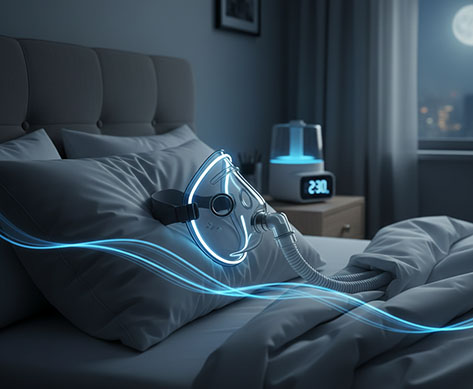
For moderate to severe sleep apnea, medical devices like Continuous Positive Airway Pressure, or CPAP, therapy are commonly used. A CPAP machine delivers a steady stream of air through a mask, keeping the airway open during sleep. Oral appliances, which reposition the lower jaw and tongue, are another option, especially for those who cannot tolerate CPAP.
In some cases of sleep apnea, surgery may be necessary. A few procedures have been designed to address anatomical causes of obstruction. Their aim is to remove excess throat tissue, reposition the jaw, or stimulate airway muscles. Each surgical option has its risks and benefits, and a thorough evaluation by a specialist is required to determine the best approach. Positional therapy and adaptive servo-ventilation, or ASV, devices for central sleep apnea are additional treatments.
Effective management of sleep apnea often requires a combination of approaches tailored to the individual's needs.


