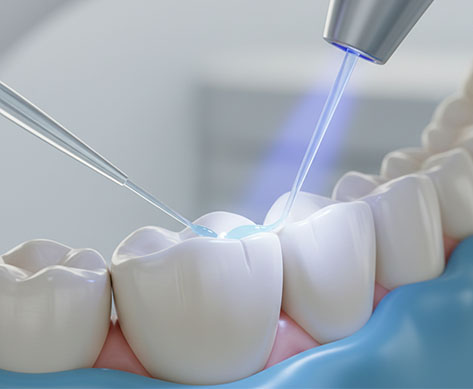
Sealants are thin plastic coatings applied to the chewing surfaces of back teeth to prevent decay by creating a protective barrier over enamel. They effectively block out plaque and food particles, reducing the risk of cavities and promoting long-term oral health.
During a routine dental visit, applying sealants is a painless process. The teeth are thoroughly cleaned to remove any debris or bacteria, then dried and treated with an acidic solution to enhance the sealant's adhesion to the enamel. After the teeth are rinsed and dried again, the sealant is painted onto the tooth surface and cured with a special light to harden it.
Sealants are particularly beneficial for children and teenagers, especially on newly erupted molars and premolars, which are more susceptible to cavities. Research demonstrates that sealants can reduce cavities by 80 percent in the first two years and continue to protect against half the number of cavities for up to four years. They require regular monitoring during dental check-ups and can be reapplied if necessary to maintain effectiveness.
In addition to regular dental care, including brushing, flossing, and dental visits, sealants provide an extra layer of defense against tooth decay. While they are highly effective, they are not a replacement for fluoride treatments or other preventive measures. Combining sealants with good oral hygiene practices ensures comprehensive protection against dental decay, promoting a healthy smile for years to come.


