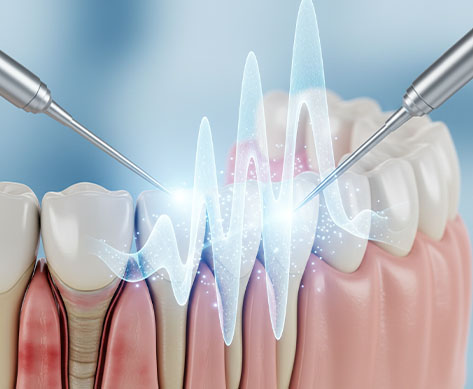
Periodontal therapy, or treatment, focuses on preventing, diagnosing, and managing gum disease. Periodontal disease is a chronic inflammatory condition that affects gums, bones, and ligaments supporting your teeth. Left untreated, it can lead to tooth loss and impact overall health.
The primary aim of periodontal therapy is to restore and maintain gum and tissue health, preserving both the function and appearance of your teeth. Treatment involves professional dental cleaning through scaling and root planing, which target plaque and tartar above and below the gumline. Scaling removes hardened plaque, while root planing smooths root surfaces to eliminate bacterial toxins and promote gum healing. This process reduces inflammation and prevents the progression of gum disease.
Additional therapies, like antimicrobial treatments or antibiotics, complement scaling and root planing by targeting disease-associated bacteria and supporting gum healing.
Advanced cases may require surgical intervention, including flap surgery, bone grafts, or tissue regeneration, to treat deep infections and regenerate lost tissue. These procedures are designed to eliminate infection, reduce pocket depth, and restore tooth support.
Ongoing maintenance of the gums is essential and includes regular dental visits for cleanings and monitoring gum health. At-home oral hygiene practices like brushing, flossing, and using antimicrobial rinses are necessary to sustain periodontal health.
Periodontal therapy not only enhances oral health but also impacts overall well-being. It reduces risks associated with systemic conditions like cardiovascular disease, diabetes, and respiratory infections. Addressing periodontal disease promptly supports long-term maintenance of healthy gums, teeth, and overall health.


