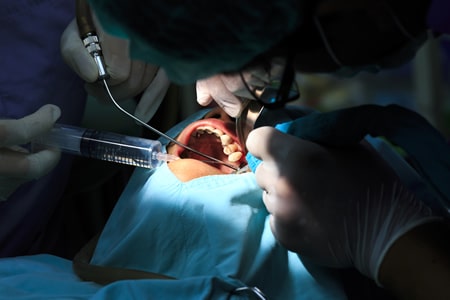
Oral surgery is a vital component of comprehensive dental care, addressing various conditions and injuries that affect the mouth, teeth, and jaw. This specialized field includes a range of procedures designed to improve oral health and function, providing solutions for issues that cannot be resolved through general dentistry alone.
One of the most common oral surgery procedures is the extraction of wisdom teeth. Wisdom teeth, also known as third molars, often become impacted or fail to erupt properly, leading to pain, infection, and other dental problems. Surgical removal of these teeth can prevent these complications and maintain the health of surrounding teeth and gums. The procedure typically involves local anesthesia and, in some cases, sedation to ensure patient comfort. Recovery from wisdom tooth extraction usually takes a few days, with most patients experiencing mild discomfort that can be managed with prescribed pain medications and proper aftercare.
Another frequent oral surgery is the placement of dental implants. Dental implants are a long-term solution for replacing missing teeth, offering a stable and natural-looking alternative to dentures or bridges. The process involves inserting a titanium post into the jawbone, which acts as a replacement root for the missing tooth. Over time, the bone integrates with the post, creating a solid foundation for a custom-made crown. This procedure not only restores the appearance of the smile but also preserves the jawbone's integrity and prevents bone loss that can occur when teeth are missing.
Oral surgery also addresses more complex conditions, such as jaw misalignment. Corrective jaw surgery, or orthognathic surgery, is performed to realign the jaws and teeth, improving the patient’s ability to chew, speak, and breathe. This type of surgery can significantly enhance the quality of life for individuals with severe bite issues or congenital jaw deformities. The procedure is often part of a comprehensive treatment plan that includes orthodontics, ensuring optimal results.
In addition to these common procedures, oral surgeons also treat a variety of other conditions, including temporomandibular joint (TMJ) disorders, facial trauma, and benign cysts or tumors of the mouth and jaw. Each procedure is tailored to meet the specific needs of the patient, with a focus on achieving the best possible outcome in terms of function and aesthetics.
In conclusion, oral surgery encompasses a wide range of procedures designed to address complex dental and maxillofacial issues. Whether it's the extraction of impacted wisdom teeth, the placement of dental implants, or corrective jaw surgery, these treatments play a crucial role in maintaining and restoring oral health. If you are experiencing any issues that may require oral surgery, we encourage you to schedule a consultation with our experienced dental team to explore your options and develop a personalized treatment plan.


