Oral cancer screenings are vital in preventive dental care, aiming to detect early signs of this disease, which can affect various areas in and around the mouth. Left untreated, oral cancer poses significant health risks.
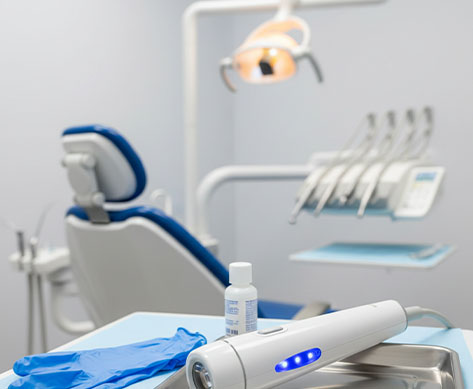
During a screening, a dentist or dental hygienist examines the lips, gums, tongue, cheeks, palate, and throat for abnormalities or suspicious lesions. They use visual inspection and palpation, sometimes aided by specialized tools like lights or fluorescence technology to enhance tissue examination. If suspicious lesions are found, a biopsy may be performed to confirm a diagnosis under a microscope.
Risk assessment evaluates factors such as tobacco use, alcohol consumption, HPV exposure, and family cancer history. Individuals with higher risk may require more frequent screenings and additional preventive measures.
Early detection is essential for effective treatment of oral cancer, which has better outcomes when treated in its early stages. Regular screenings are recommended, especially for those at higher risk, to detect any changes early and facilitate prompt intervention.
In essence, oral cancer screenings play a vital role in early detection, potentially improving treatment outcomes and overall health. They are essential for individuals to manage their oral health proactively and reduce the risks associated with oral cancer.


