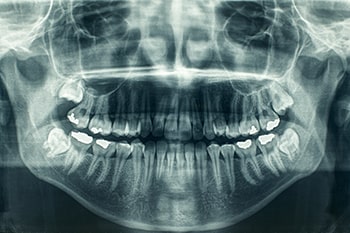
Dental X-rays and imaging are essential in modern dentistry, providing detailed views of teeth, gums, jawbone, and surrounding tissues that aid in accurate diagnoses and customized treatment plans. These diagnostic tools include several types of X-rays. Bitewing X-rays reveal tooth crowns, bone levels, and cavities between teeth. Periapical X-rays focus on individual teeth to detect decay, infections, and root issues. Panoramic X-rays offer a comprehensive view of the entire mouth, useful for assessing TMJ disorders, impacted teeth, and detecting tumors.
Advanced imaging techniques, like cone beam computed tomography, or CBCT, and intraoral cameras offer three-dimensional images. They are particularly valuable for complex treatments like implants and orthodontics, with minimal radiation exposure. Safety protocols, including lead aprons and thyroid collars, are strictly followed to minimize radiation risks during imaging procedures.
Regularly scheduled dental X-rays are recommended for monitoring oral health, detecting problems early, and guiding effective treatment decisions. If you have any concerns about dental X-rays or other imaging procedures, discussing them with your dentist ensures you receive the best care tailored to your needs.


